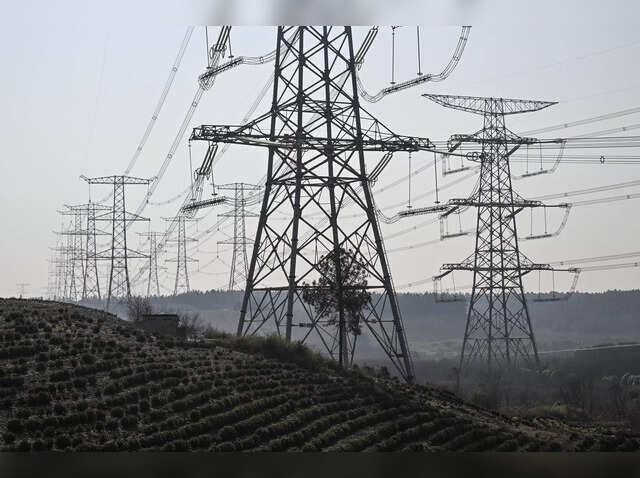
In recent years, China has embarked on a transformative journey to overhaul its sprawling power sector, a move that is rippling far beyond its borders and igniting a global battery boom. This sweeping reform, intertwined with an explosive global buildout of data centers, is reshaping the contours of the energy and technology landscapes in profound ways. The confluence of these trends speaks to a broader narrative about the accelerating transition to cleaner energy, the digital economy’s insatiable hunger for power, and the geopolitical stakes embedded in controlling the next generation of energy storage technologies.
China’s power sector reforms, aimed at dismantling outdated monopolies and introducing market-driven mechanisms, were initially driven by the pressing need to improve efficiency and reduce the environmental toll of coal-dependent electricity generation. According to Reuters, these reforms have catalyzed a surge in demand for reliable, flexible energy storage solutions, with batteries becoming indispensable in balancing grid fluctuations caused by intermittent renewables like solar and wind. This shift is not just a domestic phenomenon; it is part of a global pivot as countries race to decarbonize energy systems and meet burgeoning electricity demand from digital infrastructure.
The global data center boom is a critical piece of this puzzle. As the backbone of cloud computing, artificial intelligence, and the internet of things, data centers require vast, uninterrupted power supplies. Their proliferation—especially in China, the United States, and Europe—has driven a parallel explosion in demand for batteries, which serve as both backup power and critical components in integrating renewable energy sources. This trend is vividly illustrated in tech hubs like Shenzhen and Hangzhou, where sprawling data center campuses are being constructed alongside massive battery storage installations. The International Energy Agency highlights that battery storage capacity worldwide is expected to grow by over 20 times by 2030, a projection that dovetails with China’s aggressive energy reforms and infrastructure investments.
Yet, this battery boom is not without its complexities and controversies. The surge in demand places enormous pressure on raw material supply chains, particularly lithium, cobalt, and nickel, raising concerns about environmental degradation, labor rights, and geopolitical dependencies. China itself dominates much of the global supply chain—from mining to processing and battery manufacturing—prompting both strategic anxiety and competitive responses from other nations seeking to secure their own supply resilience. The battery manufacturing race thus unfolds not only as an economic imperative but also as a geopolitical chess match, with implications for global trade and security.
Moreover, the integration of large-scale battery systems into power grids challenges traditional regulatory frameworks, which must evolve to accommodate new market players, services, and technologies. China’s reforms exemplify this, as regulators strive to balance market liberalization with grid reliability and environmental goals. This balancing act is mirrored globally, where policymakers wrestle with questions about how best to incentivize battery deployment without exacerbating social inequalities or creating new environmental hazards.

From a technological standpoint, the battery boom is accelerating innovation. Advances in solid-state batteries, recycling technologies, and grid-scale energy management systems promise to enhance performance and sustainability. However, the speed of deployment often outpaces regulatory and environmental safeguards, necessitating vigilant oversight and international cooperation. The global community’s approach to these challenges will shape whether the battery boom truly underpins a sustainable energy future or simply shifts burdens elsewhere.
Reflecting on this unfolding story, it becomes clear that China’s power reforms and the global data center expansion are more than isolated developments; they are chapters in a larger narrative about humanity’s pursuit of sustainable progress. The battery boom embodies both the promise and the perils of this transition—offering cleaner, more resilient energy systems while demanding careful stewardship of resources and governance. As this era unfolds, it invites us to consider not only how we power our devices and grids but also how we power our societies and economies in an interconnected, rapidly changing world.

Yet, the ripple effects of China’s reforms and the global surge in data center construction extend far beyond immediate technological or economic gains. They challenge traditional energy paradigms and provoke complex questions about environmental justice, resource allocation, and geopolitical influence. The battery boom, while often celebrated for enabling renewable integration and energy storage, also underscores the growing demand for critical minerals such as lithium, cobalt, and nickel—commodities whose extraction is fraught with social and ecological consequences. This intertwining of innovation and impact forces a reckoning: how can countries and corporations balance the imperative for rapid decarbonization with the equally urgent need to respect human rights and preserve fragile ecosystems? The answer may well shape the contours of global supply chains and international relations for decades to come.
China’s strategic positioning in the battery supply chain cannot be overstated. With its dominant role in mining, refining, and manufacturing, the country wields considerable leverage in shaping global markets and standards. This dominance has prompted other nations to rethink their energy security and industrial policies, spurring investments in domestic mining projects and battery production facilities. Meanwhile, the burgeoning data center industry, hungry for uninterrupted and cost-effective power, is driving innovations in battery storage technologies that promise improved efficiency and longevity. These advancements are not merely technical but also economic and political, as they influence the pace at which digital infrastructure can expand and the resilience of the internet’s backbone.

Looking ahead, the trajectory of this battery boom will likely be shaped by a confluence of factors: evolving regulatory frameworks, breakthroughs in solid-state and alternative battery chemistries, and shifting patterns of energy consumption driven by emerging technologies like artificial intelligence and 5G networks. Moreover, as climate change accelerates, the urgency to decarbonize energy systems will intensify, placing further demands on battery technologies to scale sustainably and equitably. One cannot ignore the potential for disruptive innovations—such as green hydrogen or advanced grid management platforms—to alter the landscape, potentially easing some pressures on battery supply chains or transforming the energy storage paradigm altogether.
In this unfolding saga, the voices of communities affected by mining operations, the policies crafted by governments balancing growth with sustainability, and the strategic decisions of multinational corporations will collectively determine whether the battery boom fulfills its promise or exacerbates existing inequalities. The global energy transition is as much a social and political challenge as it is a technological one, and the interplay between China’s reforms and the worldwide data center buildout exemplifies this complexity. Engaging with these issues demands not only technical expertise but also empathy and foresight—a holistic approach that recognizes the interconnectedness of energy, environment, and equity in shaping our shared future.
Yet, as China accelerates its power sector reforms and the global appetite for data centers grows unabated, the battery boom’s trajectory becomes even more intricate. China’s push to integrate more renewable energy into its grid, alongside its commitment to peak carbon emissions before 2030, is reshaping how energy storage is prioritized within the country. The reforms are not merely about boosting capacity; they are about reimagining the grid’s flexibility and resilience in the face of fluctuating renewable inputs. This is particularly crucial given China’s massive scale of data center expansion, which demands uninterrupted, high-quality power to support cloud computing, AI workloads, and the digital economy at large. Batteries, in this context, don’t just serve as backup—they become active participants in grid stabilization and energy arbitrage, smoothing out peaks and troughs in supply and demand with unprecedented sophistication.
This dynamic interplay between regulatory shifts and technological adoption is reflective of a broader global pattern. For instance, in the United States and Europe, data centers are increasingly paired with on-site battery storage and renewable generation to hedge against grid volatility and rising electricity costs. The emergence of hyperscale data centers, sprawling campuses requiring gigawatts of power, underscores the scale of transformation underway. Yet, these developments also raise thorny questions about environmental justice and resource allocation. The materials needed for next-generation batteries—lithium, cobalt, nickel—are often sourced from regions grappling with ecological degradation and socio-political tensions. This reality forces industry leaders and policymakers to confront the true cost of digital expansion, beyond the sleek facades of server farms and the promise of green computing.
It is in this context that innovations in battery chemistry and recycling technologies gain profound significance. Solid-state batteries, with their promise of higher energy density and improved safety, could alleviate some supply chain pressures by enabling longer-lasting, more efficient storage solutions. Meanwhile, enhanced recycling processes aim to close the loop on critical minerals, reducing the environmental footprint of battery production and mitigating geopolitical risks associated with raw material dependencies. Yet, these technologies are still emerging, and scaling them to meet the voracious demand of the digital economy remains a formidable challenge.
Looking forward, the confluence of China’s reforms and the global data center buildout may well serve as a bellwether for how the world navigates the tension between energy security, sustainability, and digital growth. If managed thoughtfully, this synergy could catalyze a new era of clean energy innovation, where batteries not only support data centers but also empower communities and industries far beyond the digital realm. Conversely, failure to address the social and environmental dimensions of this boom risks entrenching inequalities and perpetuating unsustainable resource extraction. The unfolding story is a compelling reminder that the future of energy is not just about technology or policy in isolation but about the values and choices that guide us toward a more equitable and resilient world.
Yet, amid these sweeping transformations, it is impossible to ignore the geopolitical undercurrents shaping the battery boom. China’s dominant position in both battery manufacturing and raw material processing has long been a source of strategic leverage, but recent reforms suggest a nuanced recalibration rather than an outright consolidation of power. By opening its markets and encouraging foreign investment in battery technology and data infrastructure, Beijing appears to be signaling a willingness to integrate more deeply with global supply chains, even as it safeguards its core interests. This dual approach reflects a broader trend in Chinese industrial policy—one that balances state control with pragmatic engagement, aiming to secure technological leadership without isolating itself in an increasingly fractious world economy.
This delicate dance is playing out against the backdrop of a global scramble to build data centers, which are becoming the nerve centers of modern life. The insatiable demand for cloud computing, artificial intelligence, and streaming services requires not only vast amounts of electricity but also innovative energy storage solutions capable of smoothing out fluctuations and ensuring reliability. Here, batteries are not merely passive repositories of energy; they are active participants in grid management, enabling renewable integration and enhancing resilience. The scale of investment pouring into data center infrastructure—from hyperscale facilities in the United States to sprawling complexes in Europe and Asia—underscores the urgency of developing battery technologies that can keep pace with digital expansion while minimizing environmental harm.
Moreover, this moment invites reflection on the social and ethical dimensions of the battery boom. As the industry races to secure lithium, cobalt, and nickel, concerns about labor conditions, environmental degradation, and community displacement have grown louder. In regions like the Democratic Republic of Congo, where cobalt mining is a linchpin of the supply chain, reports of child labor and unsafe working environments have sparked international outrage and calls for more responsible sourcing. The challenge for companies and governments alike is to foster transparency and accountability without stifling innovation or access. Initiatives such as blockchain-based supply chain tracking and multi-stakeholder certification schemes are emerging as potential tools to reconcile economic ambitions with human rights and environmental stewardship.
Looking ahead, the interplay between technological advances, policy reforms, and global market dynamics will define the contours of the battery sector for decades to come. China’s reforms may offer a blueprint for other nations grappling with the twin imperatives of energy security and digital infrastructure development, but they also highlight the risks of overreliance on centralized control in a complex, interconnected system. Meanwhile, the relentless expansion of data centers demands not only better batteries but also smarter, more holistic approaches to energy management—integrating demand response, distributed generation, and innovative financing models.
In essence, the battery boom unfolding at the intersection of China’s policy shifts and global digital growth is more than a technological or economic phenomenon; it is a crucible in which questions about sustainability, equity, and governance are being tested. The choices made now will ripple far beyond the confines of industry, shaping not only the energy landscape but also the social fabric and environmental health of the planet. As the world watches, the hope is that this moment sparks a collective commitment to harnessing battery innovation not just for profit or power, but for a more just and sustainable future.
Yet, beneath the veneer of rapid expansion and technological optimism, there lies a complex web of geopolitical tensions and supply chain vulnerabilities that cannot be ignored. China’s dominance in battery manufacturing, particularly in lithium-ion cells, places it at the center of a global race fraught with strategic calculations. The recent reforms in its power sector, designed to liberalize and decarbonize energy markets, simultaneously serve to entrench its influence over critical raw materials and manufacturing processes. This duality presents a paradox: while fostering innovation and efficiency, China’s policies also risk deepening global dependencies that could exacerbate supply shocks or geopolitical frictions, especially as Western nations scramble to develop domestic alternatives and diversify supply chains. The push for battery autonomy is no longer just an economic imperative but a matter of national security, underscoring how intertwined energy technology has become with international diplomacy and industrial policy.
Moreover, the surging buildout of data centers worldwide, driven by the insatiable appetite for cloud computing, artificial intelligence, and streaming services, is reshaping energy consumption patterns in unprecedented ways. These digital fortresses demand not only vast amounts of electricity but also highly reliable backup systems to prevent costly outages. Batteries, therefore, emerge as linchpins in this new energy ecosystem, balancing intermittent renewable generation and providing critical resilience. However, this trend raises pressing questions about sustainability—both environmental and social. The extraction of materials like cobalt and lithium often involves exploitative labor practices and significant ecological disruption, issues that have sparked protests and calls for more ethical sourcing standards. As data centers proliferate, so too does the imperative to ensure that their underlying energy storage solutions do not perpetuate cycles of harm, but rather contribute to a genuinely regenerative industrial model.

In this context, the role of innovation extends beyond mere technical efficiency to encompass transparency, accountability, and inclusivity. Emerging technologies such as blockchain for supply chain verification and advanced recycling methods promise to mitigate some of these challenges, yet their implementation remains uneven. Furthermore, the regulatory landscape is playing catch-up, with many governments still grappling with how to balance industrial growth against environmental stewardship and social justice. The evolving battery sector thus stands at a crossroads, where the choices made by corporations, policymakers, and civil society could either entrench existing inequities or pioneer new frameworks for equitable and sustainable development.
Looking forward, the interplay between China’s power reforms and the global surge in digital infrastructure signals a transformative moment in the energy sector. The battery boom is not merely about scaling up production but about reimagining how energy is generated, stored, and consumed on a planetary scale. It invites a holistic reconsideration of energy systems—one that integrates technological innovation with ethical considerations and geopolitical realities. As new players enter the fray and old paradigms are challenged, the industry’s trajectory will likely be shaped by a dynamic interplay of cooperation and competition, innovation and regulation, risk and opportunity. What emerges from this crucible will reverberate well beyond the confines of industry, influencing the broader quest for a sustainable and just global energy future.